







Search Results for: Cupping Standards
A Complete Guide to Coffee Bean Grading Standards: Meanings and Characteristics of Grades Such as G1, AA, AB, and SHB from Various Origins
When purchasing single-origin coffee beans, labels such as G1, AA, and SHB often appear on the packaging. What exactly do these letters and numbers represent? They are actually coffee bean grade symbols established by each origin based on its own conditions. Due to differences in growing environments and varieties, the grading criteria of different countries vary—some look at the number of defective beans, some at green bean size, and others at hardness or altitude. In this article, Front Street Coffee will sort out the grading standards of major producing regions such as Ethiopia, Kenya, Indonesia, Central and South America, and Brazil, helping coffee lovers understand the meaning behind these grades so they can more accurately select high-quality coffee beans that suit their own taste. [more…]
A Detailed Explanation of the SCAA Specialty Coffee Green Bean Defect Grading and Scoring Standards: A Comprehensive Analysis from Defects to Cupping Performance
Before green coffee beans reach our hands, they often go through many stages, during which defects are almost unavoidable. Some defects are obvious at the green bean stage, yet once roasted they may be cleverly concealed. The SCAA (Specialty Coffee Association of America) has established strict grading standards for specialty Arabica coffee, covering multiple dimensions such as defect types, moisture content, aroma, and bean size. This article will systematically sort out the SCAA's defect classification rules and scoring requirements, explain in detail the causes of various defective beans and their impact on cupping flavor, and help enthusiasts develop a keen eye for identifying specialty coffee. At the same time, the article retains relevant recommendations from the Front Street brand for readers' reference. [more…]

Why is Blue Mountain coffee so expensive? Analyzing its taste and quality through the grading system and cupping standards
The name Blue Mountain coffee is almost universally known; even before the rise of the specialty coffee movement, it was synonymous with top-tier coffee. Yet when actually tasted, many people find it merely ordinary. What exactly makes Blue Mountain coffee so expensive? Does its flavor justify its price? To answer these questions, we must start with the establishment of the Jamaica Coffee Industry Board (CIB). It was this institution that, long before the concept of specialty coffee was even born, elevated Blue Mountain coffee to a king's status through strict grading and cupping standards. This article will trace the rise to fame of Blue Mountain coffee, the rules defining its production region, its green bean grading system, and its signature balanced flavor. [more…]
Barista Essentials: A Complete Guide to COE and SCAA Cupping Scoring Standards, from Clean Cup to Overall
If you want to become a professional barista, cupping is a core skill you can't avoid. This article systematically sorts out the scoring standards of the two major cupping systems, COE and SCAA, analyzing the scoring points and deduction rules one by one, from aroma, cleanliness, sweetness, acidity, mouthfeel, flavor, aftertaste to balance. It also explains in detail the tools needed for cupping, the coffee-to-water ratio, and the operating process, and uses [Front Street Golden Mandheling] as an example to compare the cupping performance of three roasting curves. Whether you are a coffee enthusiast or a practitioner, you can learn from it the scientific method of judging coffee quality and understand the true meaning of COE competition level. [more…]
What grind size is standard for cupping? An analysis of how to determine the grind size and water temperature for pour-over black coffee
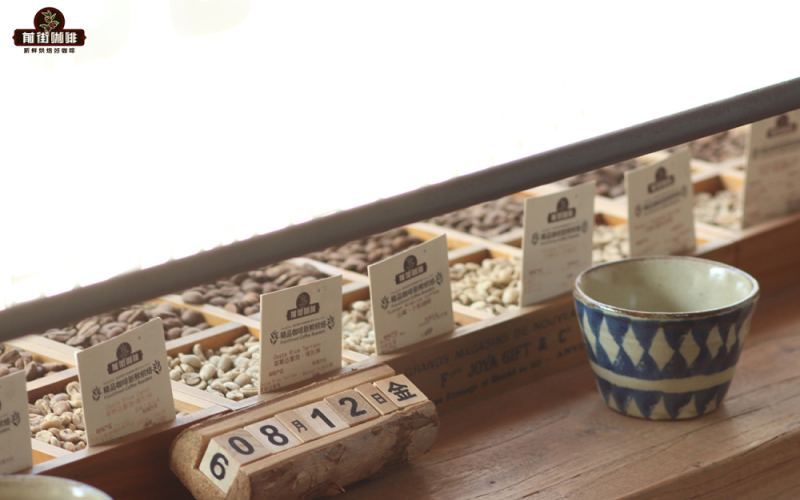
When you get an unfamiliar single-origin coffee bean, how do you accurately judge its flavor performance? Cupping is the industry-standard method. Front Street Coffee conducts cupping on every coffee bean it acquires, whether or not it goes on the shelves. This article uses the SCA cupping system as its benchmark and provides a detailed introduction to the equipment and parameters required for cupping, including sample bean processing, grind size calibration, coffee-to-water ratio, water quality and temperature requirements, as well as the operating procedures for dry aroma, wet aroma, breaking the crust, and skimming. After cupping is completed, the pour-over grind size and brewing water temperature must also be determined according to the roast level. Light-roast and medium-roast coffee beans each have different standards for sieve pass-through rate and water temperature selection. [more…]
SCA Announces Major Upcoming Revisions to the Cupping Form and Coffee Flavor Wheel: New Sweetness Scoring Category, Differentiation of Sensory Judgment Types, and Adjusted Specialty Coffee Score Standards
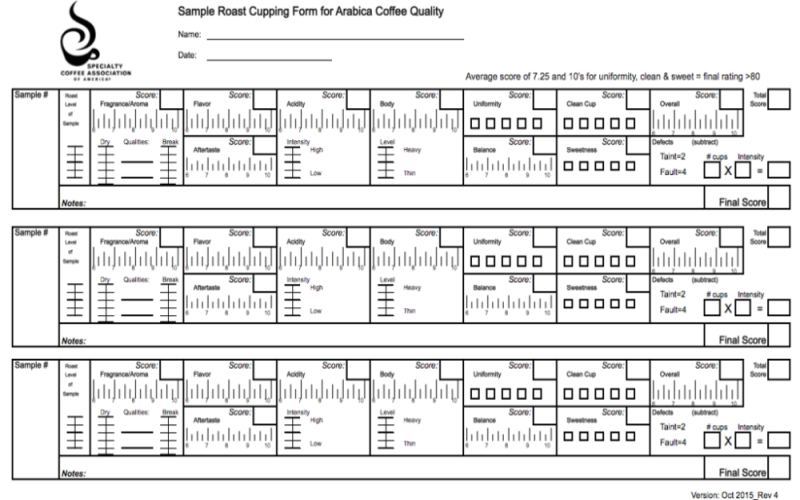
SCA Specialty Coffee Association technical officer Mario Fernandez revealed at an estate reception after the BOP Best of Panama competition that the SCA cupping form, which has been in use for more than two decades, is about to undergo a major reform. The current cupping form mixes discriminatory, descriptive, and emotional sensory judgments together, which easily leads to scoring bias. The new plan intends to separate the three and add evaluation items such as sweetness. At the same time, the coffee flavor wheel will also break free from its North America-centered limitations and compile a globally applicable flavor reference. In addition, SCA also plans to widen the score gap between specialty coffee and commercial coffee; a coffee scoring 80 points may in the future drop to 75 points or even lower. This article will sort out the background, direction, and specific contents of this reform for you. [more…]
A Comprehensive Analysis of Brazil's Green Coffee Grading System: The Specialty Journey from Origin Distribution to Cupping Standards
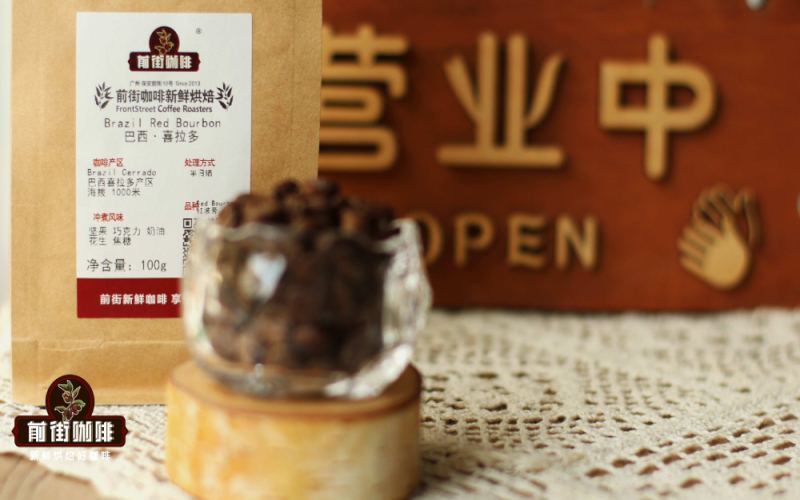
Brazil, as the world's largest coffee producer, supplies about 45% of the world's green coffee beans, and its production fluctuations directly affect international coffee price trends. However, Brazil has numerous coffee-producing regions with uneven quality, making grading work especially complex. Front Street Coffee takes you on an in-depth look at Brazil's green bean grading system—from the flatland growing environment at altitudes of 600 to 1200 meters, to the flavor differences among seven major producing regions including Minas and São Paulo states, and to the multiple grading standards centered on defect deductions, screen size specifications, and cup quality flavors. The article will also introduce the origin information and flavor performance of Front Street Brazil Queen's Estate Yellow Bourbon coffee and Cerrado coffee, helping you fully understand the specialty potential of this representative neutral coffee country. [more…]
How Fine Should You Grind for Pour-Over Coffee? A Complete Guide from Cupping Standards to Brewing Adjustments
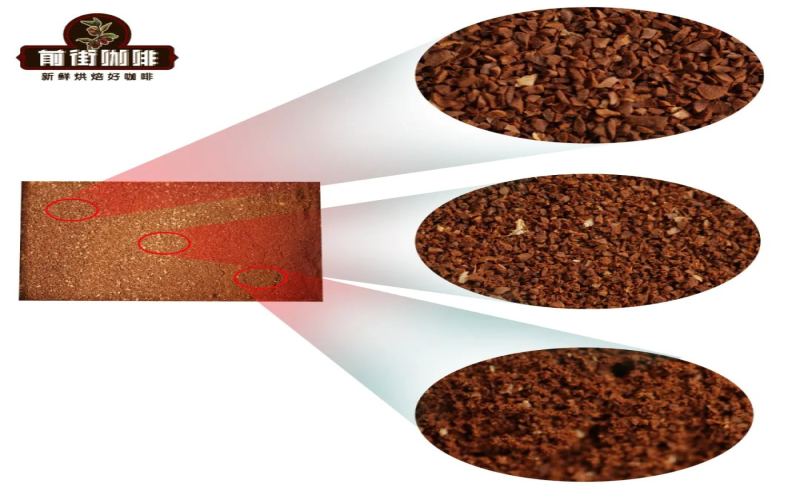
For pour-over coffee enthusiasts, grind size is often the trickiest variable to master. Starting from the industry-recognized cupping standard, this article explains how to precisely calibrate grind size with the help of a No. 20 standard sieve, and analyzes in detail the differences in brewing performance caused by grinding too fine and too coarse. It also presents the practical calibration method recommended by Front Street Coffee, explains the sieve-passing rate ranges that coffee beans of different roast levels should match, and shows how to flexibly adjust the grind by observing the flow rate during brewing, helping you reproduce coffee flavors more consistently in your daily brewing. [more…]
A Detailed Guide to Green Coffee Bean Grading Standards in Major Coffee-Producing Countries: Comparing Key Systems in Ethiopia, Kenya, Colombia, and Beyond
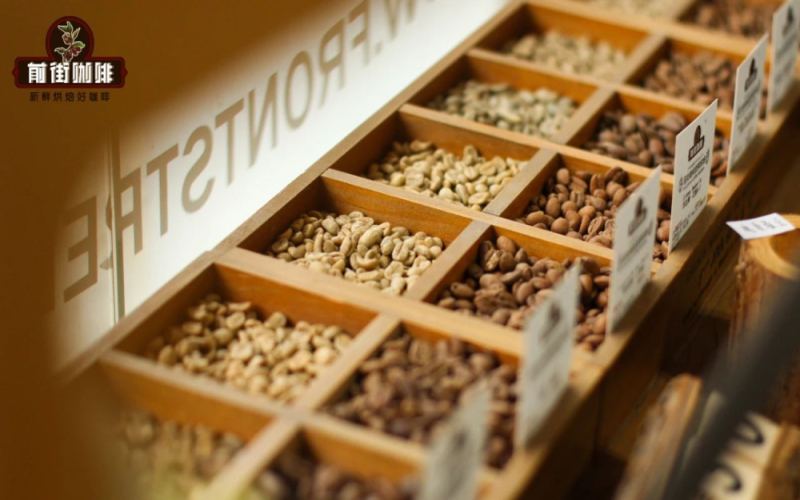
When selecting coffee beans, you'll often come across labels like Yirgacheffe G2 or Kenya AA. Behind these letters and numbers lies the logic each producing country uses to assess green bean quality. Due to differences in history, trade, climate, and terrain, grading criteria vary widely from country to country—some focus on defect rates, some measure bean size, and others test altitude or hardness—and they cannot be directly compared across origins. Front Street Coffee has compiled the grading systems of representative producing countries including Ethiopia, Kenya, Colombia, Jamaica, Costa Rica, Panama, Guatemala, El Salvador, Honduras, and Brazil to help you understand the ins and outs behind green bean grades. [more…]
How Does Grind Size Affect Flavor in Pour-Over Coffee? A Full Breakdown of Cupping and Brewer Reference Standards
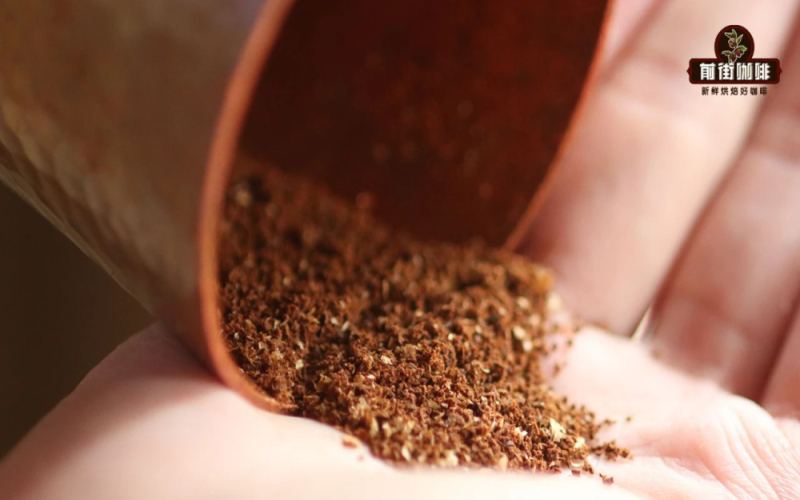
Among the many variables in pour-over coffee, grind size is one of the core factors determining extraction efficiency and the final flavor. The coarseness of the coffee grounds not only changes the speed at which water penetrates the coffee bed, but also directly affects the coffee's strength, body, and the balance of acidity, sweetness, and bitterness. In this article, Front Street Coffee systematically sorts out the mechanisms by which grind coarseness affects extraction, and provides reference grind standards for different brewing methods such as cupping, pour-over, French press, espresso, moka pot, and cold brew/ice drip. It also introduces the calibration method using the No. 20 sieve pass rate, helping coffee enthusiasts find grind parameters that suit them. [more…]
An Analysis of the SCAA and COE Coffee Certification Systems: Differences in Scoring Standards and Their Essential Distinction from SOE
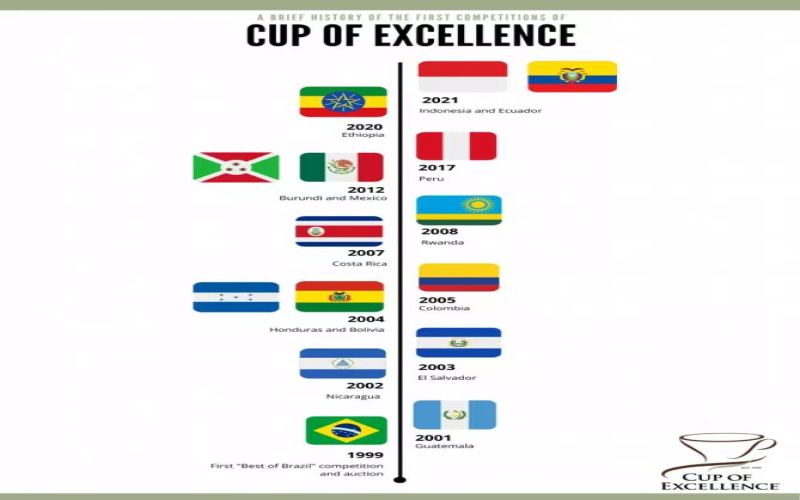
In the world of specialty coffee, the SCAA and COE are two authoritative systems that cannot be overlooked. The former established industry standards and cupping protocols, while the latter selects top-tier green beans through rigorous competitions. How do their scoring logics differ? And why are COE and SOE often confused? This article will trace the development and operational mechanisms of the SCAA, CQI, and COE, explain in detail the differences in cupping score sheets, and use the example of the 22nd-place sun-dried Typica that Front Street Coffee bid for at Ethiopia's first COE competition in 2020 to present the complete story from origin to cup. [more…]
The Grading Code of Kenyan Coffee Beans: A Detailed Explanation of AA, TOP, and Other Designations and Cupping Standards
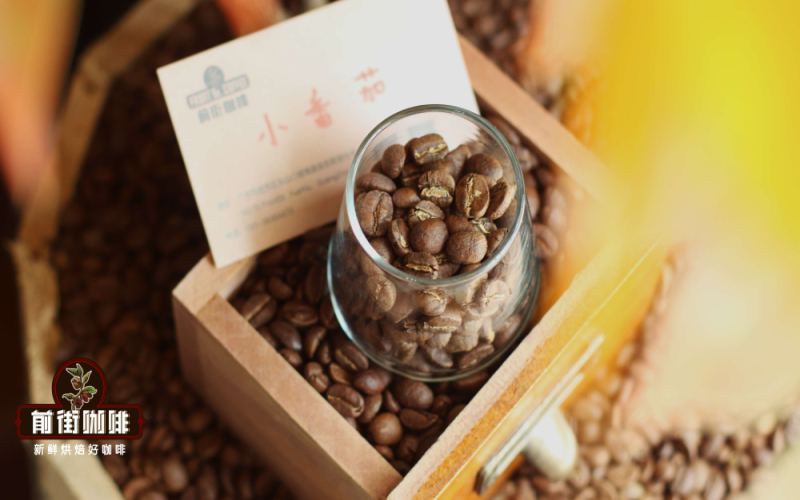
When selecting Kenyan coffee, what exactly do the terms "AA" and "TOP" commonly seen on packaging represent? This article systematically sorts out Kenya's coffee grading system, from the bean size grading under the 1934 auction system (AA, AB, PB, C, E, TT, T, MH/ML) to the secondary quality ratings established by the Kenya Coffee Research Institute (TOP, Plus, FAQ), and analyzes the comprehensive scoring mechanism across the three dimensions of green beans, roasted beans, and cupping. It also presents the producing region information and brewing parameters of Front Street Kenya Little Tomato coffee beans, helping you understand the practical meaning behind the grading labels. [more…]
How Are Jamaican Blue Mountain Coffee Grades Classified? A Comprehensive Guide from Terroir to Cupping Standards
Jamaican Blue Mountain coffee was once hailed as the "King of Coffee" and remains a classic in the hearts of many coffee lovers today. But not every coffee produced in Jamaica can bear the name "Blue Mountain"—only Typica grown within the zones demarcated by the CIB qualifies. This article will walk through the terroir conditions of the Blue Mountain region, the historical origins of the Typica variety, the CIB's grading standards, and the cupping performance and wooden barrel packaging tradition of Blue Mountain No. 1, sorting out Jamaica's coffee classification system and its unique features one by one. At the same time, Front Street Coffee will also share the pour-over brewing parameters and flavor experience of Blue Mountain No. 1, giving you a comprehensive understanding of this elegant and poised classic coffee. [more…]
A Complete Guide to Coffee Grind Sizes: Pour-Over, French Press, Cold Brew, and Espresso Standards Compared
Brewing a good cup of coffee makes grind size an unavoidable key variable. If the particles are too coarse, flavor extraction is insufficient; if ground too fine, it easily brings out bitter and off-flavors. But just how coarse counts as coarse, and how fine counts as fine? And how should you convert between different brewing devices? This article uses the industry-recognized cupping standard as its baseline and the No. 20 sieve pass-through rate as a unified ruler, providing reference grind ranges one by one for French press, pour-over, cold brew drip, and espresso machines, explaining how roast level and bean density affect grinding results, and finally including Front Street Coffee's approach to dialing in espresso extraction, helping you turn grind size from "guesswork" into "data." [more…]
Ethiopian Yirgacheffe Coffee Beans: G1 vs G2 Grade Differences and Flavor Comparison Analysis
Yirgacheffe is a highly representative coffee-producing region in Ethiopia, and its G1 and G2 grades often confuse enthusiasts. Starting with Ethiopia's coffee grading system, this article sorts out the rating evolution of CLU and ECX, explains in detail the scoring standards of washed and natural processing in terms of physical characteristics and cupping quality, and compares the actual differences between Front Street Coffee Yirgacheffe G1 and G2 in green bean appearance, roasted bean appearance, and flavor. Through cupping, it was found that although the two share citrus, fruit tea, honey, and berry tones, G1 is superior in cleanliness and aroma refinement, while G2 is slightly thinner. It is suitable for coffee enthusiasts who want to gain an in-depth understanding of Yirgacheffe grades and purchasing. [more…]

Analysis of Brazilian Coffee Bean Grading Standards and Flavor Characteristics: How to Choose the Hand-Brewed Brazilian Beans Recommended by Front Street Coffee
Brazilian coffee occupies a pivotal position in global production, but does it really count as good coffee? This article begins with the evolution of coffee consumption concepts in China, reviewing the journey from the instant coffee era to the specialty coffee wave, and then explores the common dimensions for judging coffee bean quality—price, flavor, and cupping scores. Drawing on SCA standards, it explains in detail the dividing line between specialty beans and commercial beans, and, combined with amusing anecdotes from Front Street Coffee's operations, reveals the subtle influence of price on consumers' judgments. Finally, it focuses on the grading system for Brazilian coffee beans, using specific indicators such as NY.2, Screen 18, and Good Cup as examples to show that an affordable price does not equal inferior quality, and that balanced ordinariness can also be a good cup of coffee. [more…]
A Detailed Explanation of Ethiopia's Coffee Grading System: Grade Differences and Flavor Comparison Between Yirgacheffe G1 and G2
Yirgacheffe is one of Ethiopia's most representative specialty coffee regions, but what exactly is the difference between the commonly found Front Street Yirgacheffe G1 and G2 coffee beans? Which grade is higher? Behind this lies Ethiopia's complex coffee grading system. Starting from CoffeeHunters' review, this article systematically sorts out Ethiopia's coffee grading standards, compares the differences between G1 and G2 in defect rate, cupping score, and flavor performance, and helps coffee lovers gain a deeper understanding of the secrets of Yirgacheffe's grades. [more…]
A Detailed Guide to Brazilian Coffee Bean Grading Standards and Bourbon Varieties: From Terroir to Cupping Flavor
As the world's largest coffee producer, Brazil is known for coffee beans with low acidity, moderate nuttiness, chocolate sweetness, and a full body. This article systematically reviews Brazil's coffee bean grading system—covering four dimensions: defect rate, screen size, cup quality, and flavor grade—provides an in-depth analysis of the origins and flavor characteristics of the Bourbon varieties (Yellow Bourbon and Red Bourbon), and introduces the terroir differences among three major specialty regions: Sul de Minas, Cerrado, and Mogiana. At the same time, Front Street Coffee shares the roasting curve, cupping report, and brewing parameters for the Yellow Bourbon from Brazil's Queen's Farm, offering coffee enthusiasts a complete reference from green bean knowledge to extraction practice. [more…]

What Exactly Does Coffee Cleanliness Mean? Interpreting the Key Indicators of Specialty Coffee Evaluation Standards
In the evaluation system of specialty coffee, cleanliness is a core indicator that cannot be overlooked, yet many coffee enthusiasts have misunderstandings about it. Some believe that cleanliness means a single flavor profile, while others equate it with the clarity of the coffee liquid. In fact, cleanliness is closely tied to coffee quality—it requires both the absence of negative defect flavors and the presence of forward flavors that are sufficiently clear and distinguishable. Front Street Coffee will start from cupping standards to systematically sort out the two-layer evaluation logic of cleanliness, helping everyone re-understand this key concept in specialty coffee evaluation and understand why it can directly reflect the overall quality level of coffee. [more…]
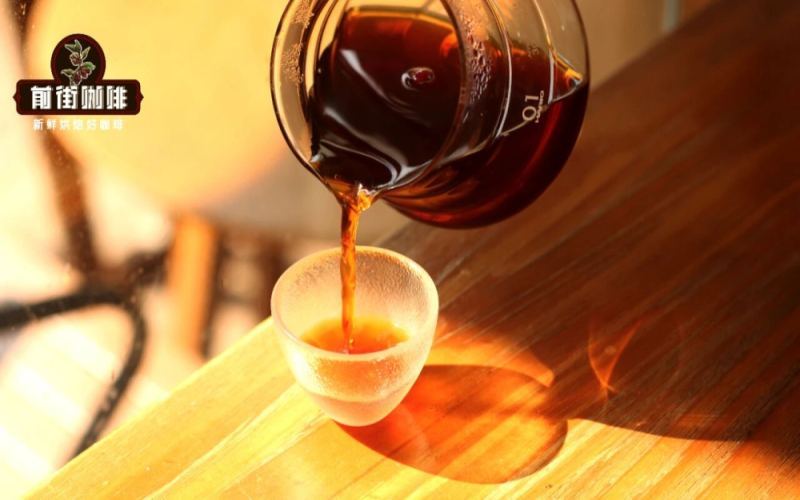
What exactly is coffee balance? From cupping standards to brewing water temperature, even beginners can understand a balanced taste that is neither sour nor bitter
Many people's first reaction when drinking a medium-roast coffee is "this cup is very balanced." But a coffee's sense of balance is far more than simply not standing out in acidity, sweetness, or bitterness. In professional cupping, Balance is a comprehensive indicator measuring the harmony among acidity, sweetness, body, and aftertaste, while also examining the coffee's stable performance from hot to cool. Beans with poor balance may excel in one aspect but have obvious weaknesses; beans with good balance are simply pleasant across the board. Through cupping examples of multiple beans, Front Street breaks down the evaluation logic of balance and recommends several coffees with excellent balance, including Front Street's Bird of Paradise, known as the "Little Blue Mountain." [more…]